
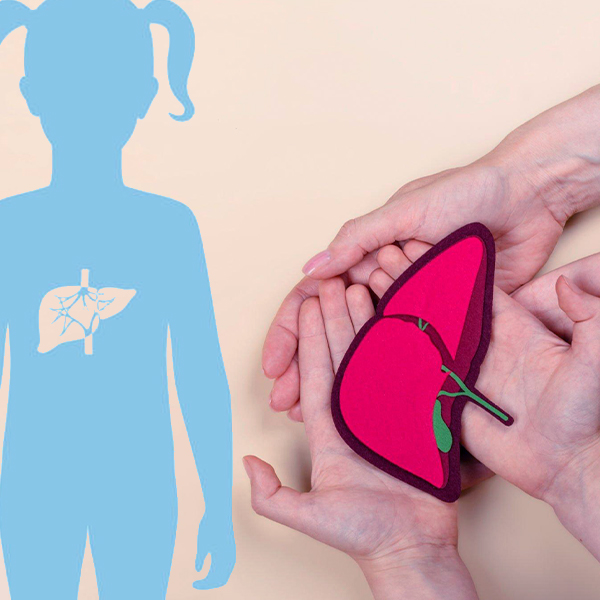
What are the common liver diseases in children that leads to liver failure?
The children have totally different types of liver diseases when compared to adults. The common diseases that cause liver failure in children are:
Biliary atresia : A kind of disease in newborn infants that is due to defective formation of bile ducts inside the liver.
PFIC : This is also a very similar genetic disease to the above and it causes very severe itching in the young children and can occur in multiple children in the same family.
Wilsons disease : It is a disease of defective copper excretion from the liver. Hence the excess copper can deposit in liver, kidneys, brain and other organs and cause damage there. This disease does not have any symptoms initially and has to be diagnosed early before brain damage because good medications are available for controlling this disease. Advanced stage of this disease can be cured by liver transplantation.
Hepatitis A and E : Are common viral infection in children, most being mild and self-limited. Rarely the hepatitis can cause liver failure and may need liver transplantation to save the child.
What are the symptoms of liver failure in children?
The child may have poor appetite and diet intake, may feel weak and have nausea or vomiting for weeks before the liver problem is diagnosed. In more advanced stages, the child may have fever, yellow coloured urine, jaundice, severe itching, belly or whole body swelling and may go on to become drowsy or even develop coma.
What is the cure for liver failure in children?
It depends on the reason for liver failure. Nowadays, with modern medicines and ICU care, most of the children with liver failure can be saved and returned back to normal health. A new treatment technique called plasma exchange (PLEX) has helped us to cure many children with acute liver failure by exchanging the plasma (blood) of the child with completely new plasma (blood). In children not responding to these medical management, liver transplantation can fully cure the children of the liver disease.
What is the outcome of liver transplantation in children?
In a single word - “Excellent”. The children have an enormous capacity to recover from liver failure and bounce back to normal life after liver transplantation. Typically, the success rate for liver transplantation for children is equal to or better than that for adults.
Can children lead a normal life after liver transplantation?
Absolutely yes! The purpose of liver transplantation in children is not only to save the child but also to make them return to normal life like any other child. The children who had undergone liver transplantation can return to school and gently play by 2-3 months; the children can resume athletics and more strenuous sports by 1 year. The children who have undergone liver transplantation can have same growth as other kids. They can have normal family life including having children of their own.
Do the children need to take medications after transplantation?
Yes, they have to take many tablets initially after transplantation to prevent complications. After 1 year, they generally need to take only 1 tablet lifelong to prevent the liver being rejected by their body.
Who can donate liver for transplantation in children?
Due to size mismatch, it is very difficult for children to get liver from brain dead donors who are mostly adults. Typically, either the mother, father or other close relatives can donate a very small portion of their liver and save the child with liver failure.
 The son who saved his father by donating his liver
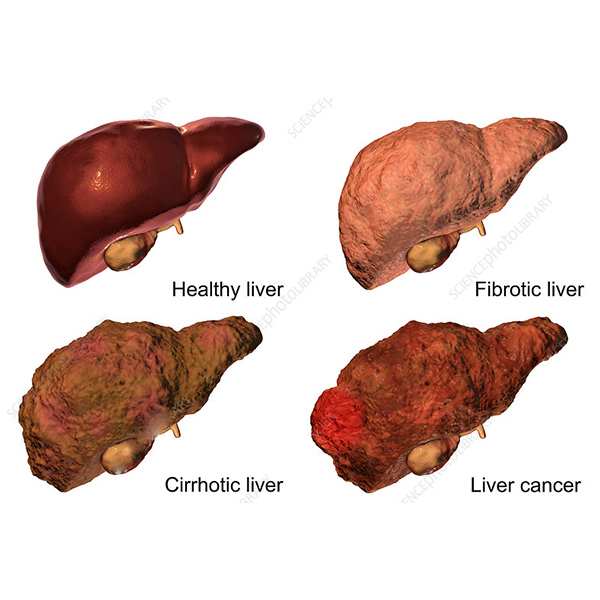 Symptoms, diagnosis and treatment of liver cancer
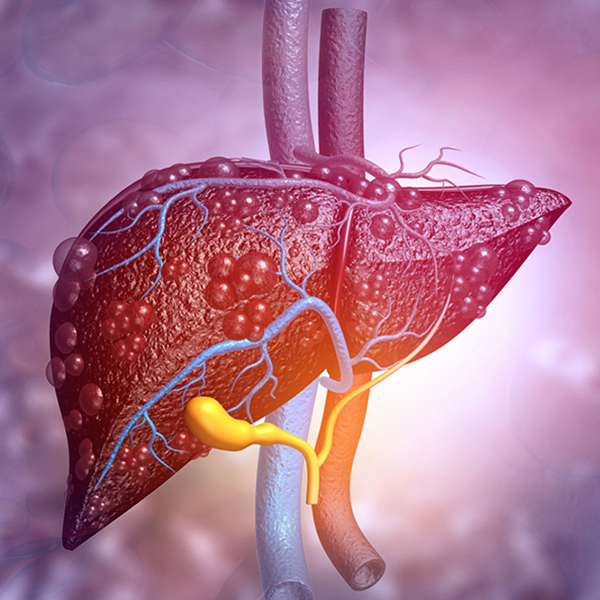 Liver tumors
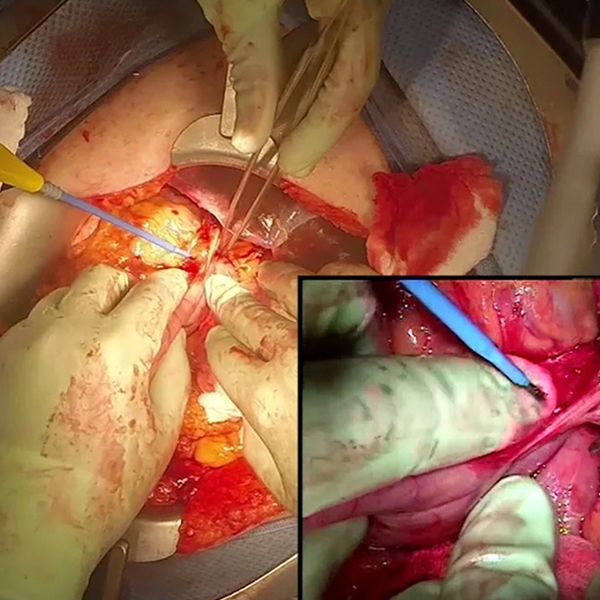 About Hepato Pancreato Biliary (HPB) Disease

Powered by : 